
Your cart is currently empty!
Leaf Springs Toyota Tundra

Per Page:
-
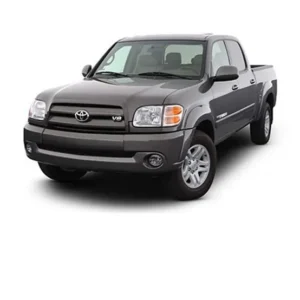
2000-2006
-
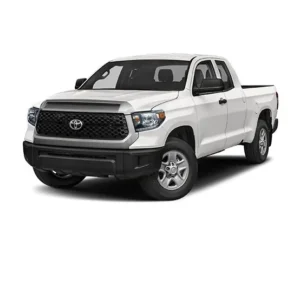
2007-2021
-
-
-
Sale!

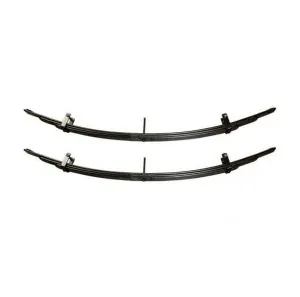
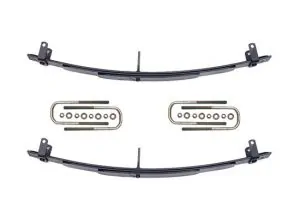
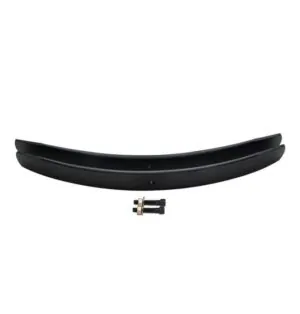
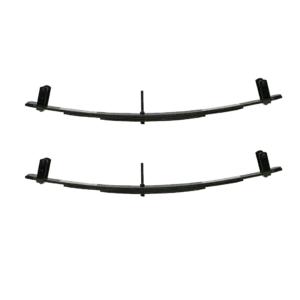
ReadyLift 1.5″ Rear Add A Leafs for 2000-2021 Toyota Tundra
(0 reviews)Original price was: $127.08.$115.53Current price is: $115.53. -
Sale!

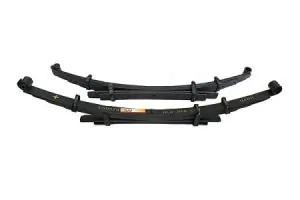
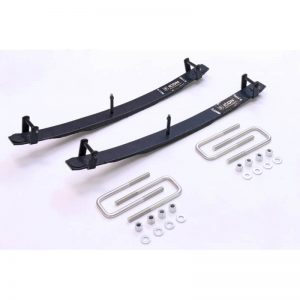
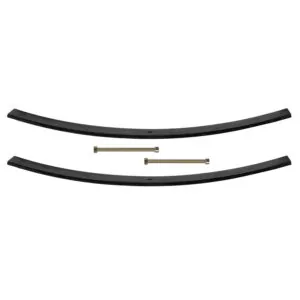
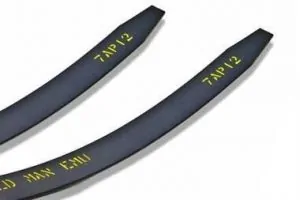
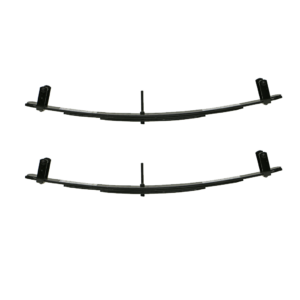
ARB D28XL Pair Old Man Emu Rear Extra Leafs for 2007-2021 Toyota Tundra
(0 reviews)Original price was: $171.42.$155.84Current price is: $155.84.
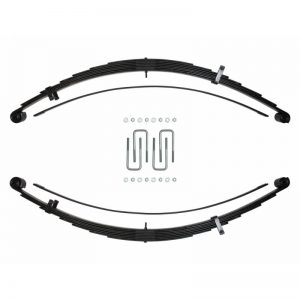

Leaf Springs for Toyota Tundra: Why Owners Switch to Heavy-Duty Options
Reliability has traditionally been associated with Toyota pickups. However, any owner who has ever connected a trailer or transported large loads is aware that factory suspension isn’t always reliable while in use. The Toyota Tundra’s leaf springs are useful in this situation. It’s an easy method to increase load capacity, enhance handling, and eliminate that bothersome rear sag.
Nothing is worse than having a few tools in the bed of your truck, but it appears to be hauling a concrete slab. Because of this, demand for Toyota Tundra leaf springs continues to rise, particularly among those who work every day or frequently go off-road.
Why Replace Stock Springs
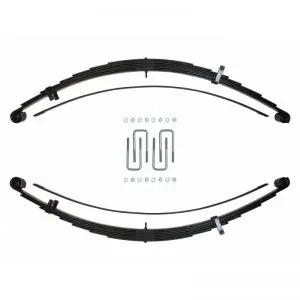
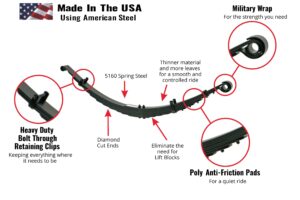
Stock springs are designed for typical use situations. They simply wear out if the pickup is continuously loaded. Loss of handling, sagging, and increased bouncing result from this. These issues are resolved with reinforced leaf springs Toyota Tundra, which require no significant design modifications.
It’s important to determine exactly what you want to modify before making a purchase. When hauling a boat or trailer, some people choose comfort, while others prioritize control. For this reason, there are several choices for reinforcement.
Who Needs Heavy-Duty Springs
The scenarios are usually pretty simple. You need an upgrade if:
- the pickup sags when loaded;
- you frequently tow a trailer;
- you have trips planned to rough terrain;
- you do farm or construction work;
- you want a stiffer and more stable rear axle.
After replacement, handling becomes predictable, and the bed stops “floating.” This matters for both safety and suspension lifespan.
Toyota Tundra Rear Leaf Springs: How to Choose
Heavy-duty springs for pickups differ in metal thickness, number of leaves, and flex characteristics. A simple rule: more stiffness gives more control under load but transfers more road bumps into the cabin. So the choice depends on what matters more to you in daily use. If the Tundra works as a work tool, stiffer springs are often justified. If the vehicle is used mainly for city driving, you can pick a softer option.
To avoid mistakes, clarify a few things before buying. You need to consider:
- Tundra’s model year, since the rear axle design differs;
- expected load during work;
- frequency of towing a trailer or boat;
- type of use, commercial or personal;
- presence of extra components like an airbag system.
When all the details are clear, the choice becomes easier. Online catalogs usually divide springs by years and models, so no complex technical decisions are needed. If in doubt, there’s always the option to compare reviews or ask the seller a question.
Installation and Driving Experience
The replacement process takes a few hours. It’s work that most shops handle without complex procedures. After installation, the pickup behaves predictably on the highway and doesn’t shift during braking. On dirt roads, there’s also a noticeable difference, since the rear end bounces less and holds the line.
Another plus of reinforced springs is that they don’t require regular maintenance. Install them and use them. For those who work every day and don’t want to think about sagging, it’s a handy solution. The pickup keeps its load capacity and doesn’t force you to constantly adjust your driving style.
Heavy-Duty Springs Don’t Turn the Tundra into a Different Vehicle
They simply remove the problems that arise during serious work. Stability, safety, and normal appearance of the rear end are preserved even when the vehicle is constantly under load. When the Tundra is used for more than weekend trips, the owner has to decide: live with the sagging or install reinforced springs. The second option usually saves time, nerves, and suspension service life.