
Your cart is currently empty!
Shocks Toyota Tundra

Per Page:
-
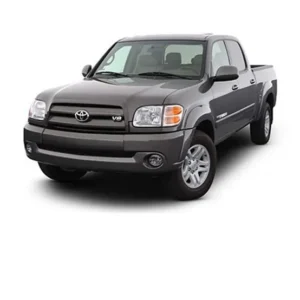
2000 - 2006 Shocks Toyota Tundra
-
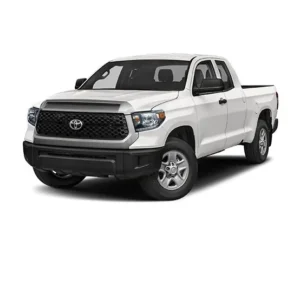
2007 - 2021 Shocks Toyota Tundra
-
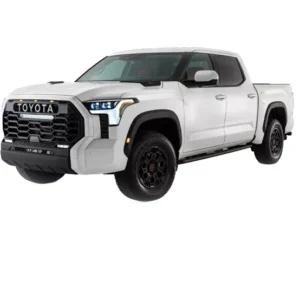
2022 - 2024 Shocks Toyota Tundra
-
Sale!
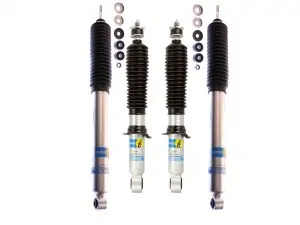
Bilstein 5100 0-2.5″ lift front, 0-1″ rear shocks 00-’06 Toyota Tundra
(21 reviews)Original price was: $534.00.$503.56Current price is: $503.56. -
Sale!
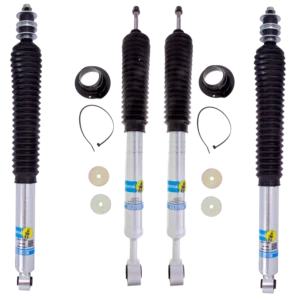
Bilstein 5100 0.87-2.28″ adjustable front 0-1″ rear lift shocks for 2007-2021 Toyota Tundra
(16 reviews)Original price was: $534.00.$503.56Current price is: $503.56. -
Sale!
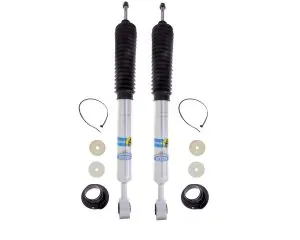
Bilstein 5100 0.87-2.28″ Front Ride Height Adjustable Shocks For 2007-2021 Toyota Tundra
(13 reviews)Original price was: $333.29.$302.99Current price is: $302.99. -
Sale!
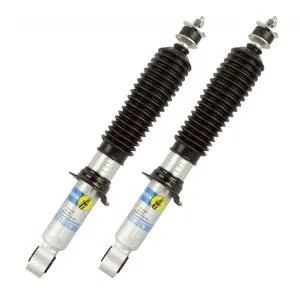
Bilstein 5100 0-2.5″ Lift Front Adjustable Shocks for 2000-2006 Toyota Tundra
(6 reviews)Original price was: $333.29.$302.99Current price is: $302.99. -
Sale!
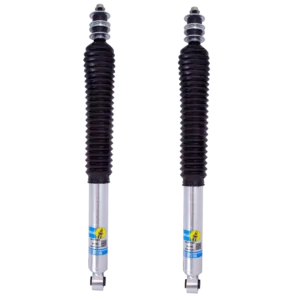
Bilstein Rear 0-1″ Lift Shocks for Toyota Tundra 2007-2021
(13 reviews)Original price was: $237.78.$216.16Current price is: $216.16. -
Sale!
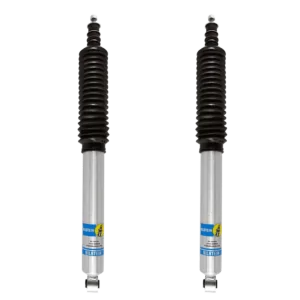
Bilstein 5100 0-1″ Rear Lift Shocks for 2000-2006 Toyota Tundra
(8 reviews)Original price was: $237.78.$216.16Current price is: $216.16. -

-
Sale!

Bilstein 4600 Front, Rear Shocks for 2007-2021 Toyota Tundra 2WD/4WD
(3 reviews)Original price was: $435.51.$395.92Current price is: $395.92. -
-
Sale!
Bilstein 5100 2″ Rear Lift Shocks for 2007-2021 Toyota Tundra
(2 reviews)Original price was: $234.04.$218.47Current price is: $218.47. -
-
Sale!
RCD 4-6″ Lift Front, Rear Bilstein 5100 Shocks for 2000-2006 Toyota Tundra
(2 reviews)Original price was: $540.18.$459.00Current price is: $459.00. -
Sale!
Bilstein 4600 Rear Shocks for 2007-2021 Toyota Tundra
(3 reviews)Original price was: $196.05.$178.23Current price is: $178.23. -
Sale!
Bilstein 5100 RCD 4-6″ Lift Front and Rear Shocks for 2007-2021 Toyota Tundra
(0 reviews)Original price was: $585.84.$539.00Current price is: $539.00. -
Sale!
Bilstein 4600 Rear Shocks for 00-’06 Toyota Tundra 2WD/4WD
(0 reviews)Original price was: $218.94.$199.04Current price is: $199.04.
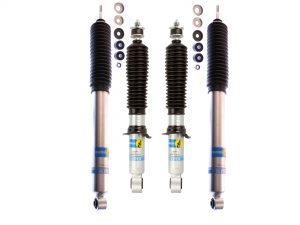

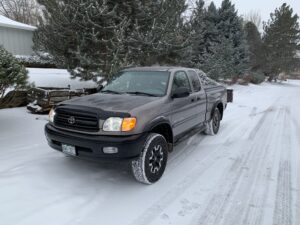
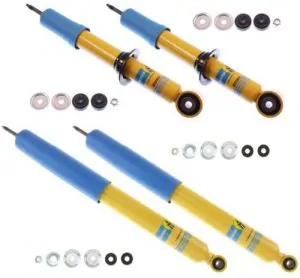
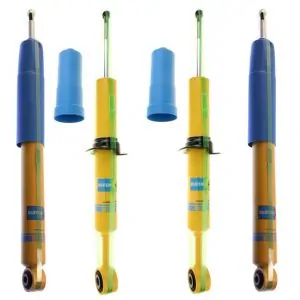
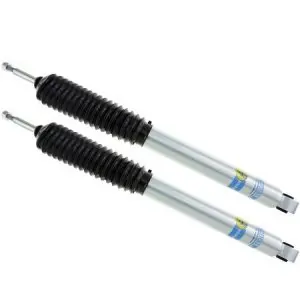
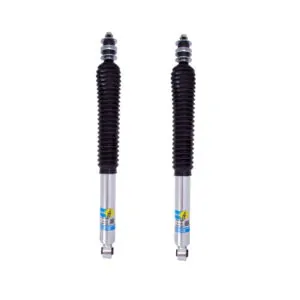
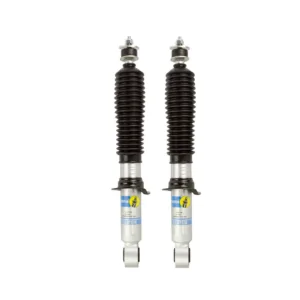
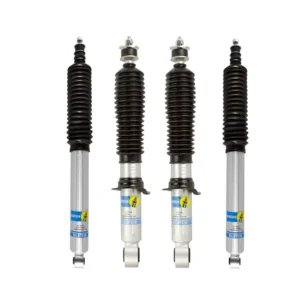
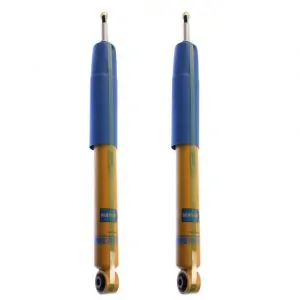
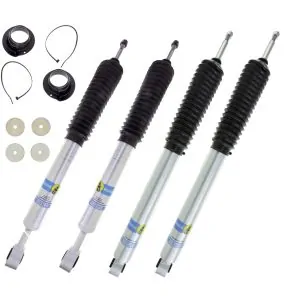
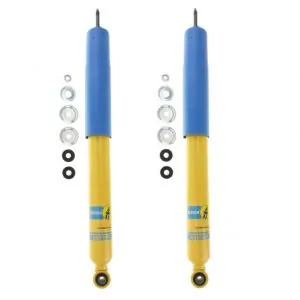
Shocks for Toyota Tundra: Is It Worth Replacing Factory Dampers
Updating their suspension is something that many Tundra owners eventually begin to consider. Although the Toyota Tundra’s original shocks aren’t always able to withstand vigorous use, the truck is designed for heavy loads and challenging road journeys. The truck begins to shake more after 40–60 thousand kilometers, and the rear end responds to bumps more slowly.
When You Should Check Your Shocks Toyota Tundra
There are a few simple signs when replacing dampers stops being a whim and becomes a must. You feel it in handling and stability on straight roads. Before buying, pay attention to basic things:
- the truck loses stiffness at speed;
- steering wheel vibration appears after potholes or joints;
- the rear end sags when loaded.
If at least two points match, your shocks for the Toyota Tundra may already be worn out.
Toyota Tundra Shocks: What Options People Install Most Often
The market offers many models, but two brands remain the most popular. They cover tasks from city use to regular off-road driving.
- Toyota Tundra Fox shocks are seen as an option for those who really drive off-road. These are dampers with quick response and stable performance on dirt.
- Bilstein shocks Toyota Tundra are popular with those doing their first suspension upgrade. The 5100 model adds stability on highways and controls bounce when loaded.
The difference between brands is felt right away. Fox handles high loads better. Bilstein makes handling predictable for daily trips.
A Detail Often Forgotten: Rear Shocks Toyota Tundra
When installing new dampers, owners sometimes only change the front suspension. This creates an imbalance in vehicle behavior. Rear shocks for the Toyota Tundra are just as important. They handle stabilization during launches, towing, and driving with cargo. If the front works great, but the rear stays “tired,” the whole system behaves inconsistently again.
A simple selection principle
You don’t need to make complicated comparisons to choose a set. It is enough to determine how you use your car. There are usually three scenarios:
- city driving and highway driving;
- mixed driving with trips on uneven roads;
- towing a trailer or transporting heavy loads.
For city and highway driving, solutions such as Bilstein are suitable. They provide predictable handling and stability. If you plan to drive on mixed routes with dirt roads, many drivers pay attention to Fox because they better absorb shocks and do not “stick” on rough roads.
When a pickup truck is often used with a trailer or to transport materials, it makes sense to look at reinforced kits for both axles. This reduces the load on the rear and makes handling smoother.
What Tundra owners should remember
Replacing the shock absorbers will not turn the car into a new one, but a good set of Toyota Tundra shocks eliminates the main sources of vibration and swaying. The car handles better in turns, does not “nose-dive” when braking, and does not lose stability under the weight of the load.
Upgrading the suspension does not require complex tuning. It is enough to understand what you need and choose a solution that suits your driving style. The investment usually pays off because a confident Tundra is easier to drive and does not tire the driver. This can be felt after the first few trips, when the car begins to respond more smoothly and predictably.